
Micro Influencer Marketing Strategy
A few years back, influencer marketing looked expensive. Like… really expensive. Every brand wanted celebrities, blue tick creators, huge production videos, and massive collaborations. Small businesses mostly stayed out of it because the budgets simply didn’t make sense.
But things changed fast.
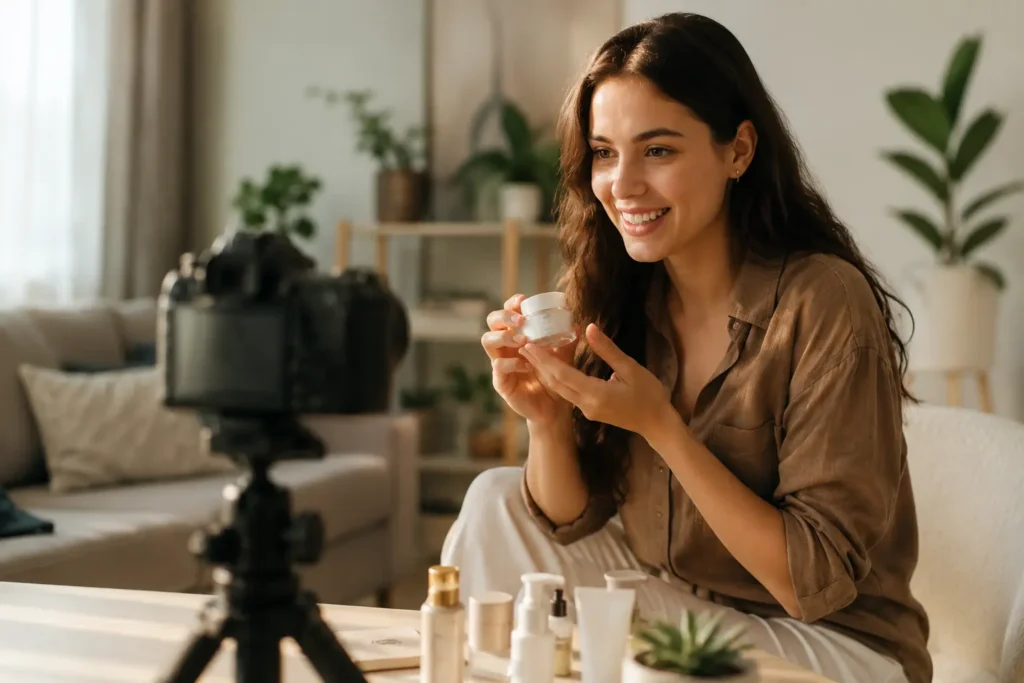
In 2026, brands are getting better results from smaller creators — the ones with loyal audiences, niche communities, and actual trust. That’s where a good micro influencer marketing strategy comes in. And honestly, this shift has made marketing easier for startups, local businesses, and even students trying to build something online.
The interesting part? People don’t trust polished ads the way they used to. They trust relatable creators more. Someone casually recommending a café, skincare product, or clothing brand often performs better than a high-budget advertisement now.
Why Micro Influencer Marketing Feels More Real Today
The biggest reason micro influencer campaigns work is simple: they don’t always feel like marketing. Most micro influencers talk like normal people. Their content isn’t overloaded with heavy editing or fake excitement. And audiences connect with that instantly. A creator with 12,000 loyal followers can sometimes drive more engagement than someone sitting on a million inactive followers. Sounds weird, but that’s literally how social media works right now.
A proper micro influencer marketing strategy focuses less on reach and more on connection. That’s the difference many businesses finally understand in 2026.
Also, smaller creators usually reply to comments, answer DMs, and interact with followers regularly. Their communities feel personal. When they recommend something, people actually pay attention instead of scrolling away after two seconds.
And for businesses with limited budgets, this is probably one of the smartest forms of marketing available right now.
What Makes a Micro Influencer Campaign Successful?
A lot of brands think influencer marketing means sending free products and waiting for sales. Honestly… that approach fails most of the time. The campaigns that work usually feel natural from the beginning. The creator actually matches the brand, the content feels genuine, and the audience doesn’t feel like they’re being sold something every five seconds.
Here are a few things that genuinely matter:
1. Audience Match Matters More Than Followers
A small fitness creator promoting protein snacks makes more sense than a random lifestyle page with bigger numbers. Relevance always wins.
2. Authentic Content Performs Better
People instantly notice scripted promotions now. Creators should be allowed to talk naturally instead of reading copy-paste brand lines.
3. Long-Term Partnerships Build Trust
If an influencer mentions a product once, people may ignore it. But repeated mentions over time feel more believable.
4. Engagement Is More Important Than Reach
Comments, saves, replies, and shares matter way more than vanity metrics in 2026.
5. Smaller Budgets Can Still Work
This is probably the best part. Even local businesses can run influencer campaigns today without spending massive amounts.
Building a Micro Influencer Marketing Strategy Without Wasting Money
One mistake businesses still make is chasing creators just because they look popular online.
Big follower count doesn’t automatically mean influence. Sometimes half the audience is inactive. Sometimes engagement is fake. And sometimes the creator’s followers simply don’t care about the product category at all.
That’s why smart brands spend more time researching creators before collaborating. A good micro influencer marketing strategy starts with understanding your audience first. Not the influencer – your audience.
Ask simple questions:
Who are you trying to reach?
What content do they consume daily?
Which platform do they spend the most time on?
Once that becomes clear, finding creators becomes much easier.
Things Smart Brands Usually Do
- They check comment quality instead of only likes
- They work with niche creators instead of random viral pages
- They avoid over-controlling the content
- They track clicks, traffic, and conversions properly
- They reuse influencer content in ads later
That last point matters a lot now. Many businesses are using influencer-generated videos as paid ads because they feel less corporate and more relatable.
The Biggest Reason Most Influencer Campaigns Fail
Honestly? Businesses try too hard.
That’s usually the problem. They force creators to sound overly professional, include unnatural selling points, or make every post look like an advertisement. The audience notices immediately. Social media users in 2026 are extremely good at spotting fake promotions. The second content feels forced, engagement drops.
Another common issue is unrealistic expectations. Some brands expect instant sales after one Reel or one Instagram Story. That’s not how trust works online. Good influencer marketing usually builds momentum slowly.
Common Mistakes Businesses Keep Repeating
- Choosing influencers only because they’re famous
- Ignoring fake engagement
- Sending robotic scripts
- Expecting overnight sales
- Working with creators outside their niche
A strong micro influencer marketing strategy feels less like advertising and more like a recommendation coming from someone familiar. That difference changes everything.
Real Example: How a Small Café Got Attention Without Running Expensive Ads
There’s a café near Delhi University that started getting popular online last year mainly because of local creators posting casual Reels there.
Nothing fancy. No celebrity collaboration. No huge campaign shoot. No massive production setup. The café simply invited a few local food creators with around 8k–20k followers. They posted aesthetic coffee shots, short study café videos, and casual reviews showing the vibe of the place.
That was enough. Students started visiting because they had seen the café multiple times from different creators they already followed. It didn’t feel like advertising. It felt like discovering a cool place through friends online.
That’s exactly why this type of marketing works so well now. People trust repeated social proof more than direct ads.
Smart Ways to Improve Your Influencer Strategy in 2026
The competition is definitely higher now compared to a few years ago, so brands need to be smarter with collaborations. But thankfully, spending more money still isn’t the answer most of the time.
Better Ways to Get Results
Focus More on Short Videos
Reels and short-form videos still dominate attention online. Static posts alone usually aren’t enough anymore.
Work With Multiple Small Creators
Instead of spending your full budget on one influencer, spread collaborations across several niche creators.
Give Creators Freedom
The more natural the content feels, the better it usually performs.
Build Brand Familiarity Slowly
People rarely buy after seeing something once. Repetition matters more than businesses think.
Track Real Metrics
Views are nice, but clicks, saves, profile visits, and conversions tell the real story.
Conclusion
Honestly, the biggest reason a micro influencer marketing strategy works today is because audiences are tired of obvious marketing. People want honesty. Real experiences. Real opinions. And smaller creators are usually much better at delivering that compared to large celebrity influencers.
For startups, local businesses, students, and growing brands, this creates a huge opportunity. You no longer need massive advertising budgets just to get attention online. Sometimes a few trusted creators in the right niche can do more than an expensive campaign ever could.
That’s probably why micro influencer marketing isn’t slowing down anytime soon. If anything, it’s becoming the most practical growth strategy for modern businesses in 2026.