
Best SEO Tools
More than 68% of online experiences still begin with a search engine, yet many small business owners struggle to get their websites noticed. The good news is that you do not need a huge marketing budget to compete. The best seo tools for small business can help you find keywords, fix website issues, track rankings, and attract more customers without hiring a large agency. If you’re looking for affordable ways to improve your online visibility in 2026, choosing the right SEO tools is one of the smartest investments you can make.
What Are the Best SEO Tools for Small Business?
The direct answer is simple: the best SEO tools combine keyword research, site audits, rank tracking, and competitor analysis at .a price that fits a small business budget. The right tool helps you spend less time guessing and more time growing
Small businesses often have limited time, money, and staff. That means every marketing decision matters. The best seo tools for small business are designed to simplify search engine optimization by showing exactly what needs improvement on your website.
Think of SEO tools like a GPS for your online marketing. Instead of driving around hoping to reach your destination, you get clear directions on what keywords to target, which pages need fixes, and how competitors are getting traffic.
Simply put, SEO tools are software platforms that help improve your website’s visibility in search engines – which means more people can find your business when they search online.
For example, a local plumbing company in Texas might use an SEO tool to discover that hundreds of people search for “emergency plumber near me” every month. That insight can lead to new content, higher rankings, and more phone calls.
According to industry estimates, businesses appearing on the first page of Google receive over 90% of search traffic, making SEO software a valuable investment for growth.
Which Features Make SEO Tools Worth Paying For?
Not every SEO platform offers the same value. Before choosing software, look for features that directly support your business goals.
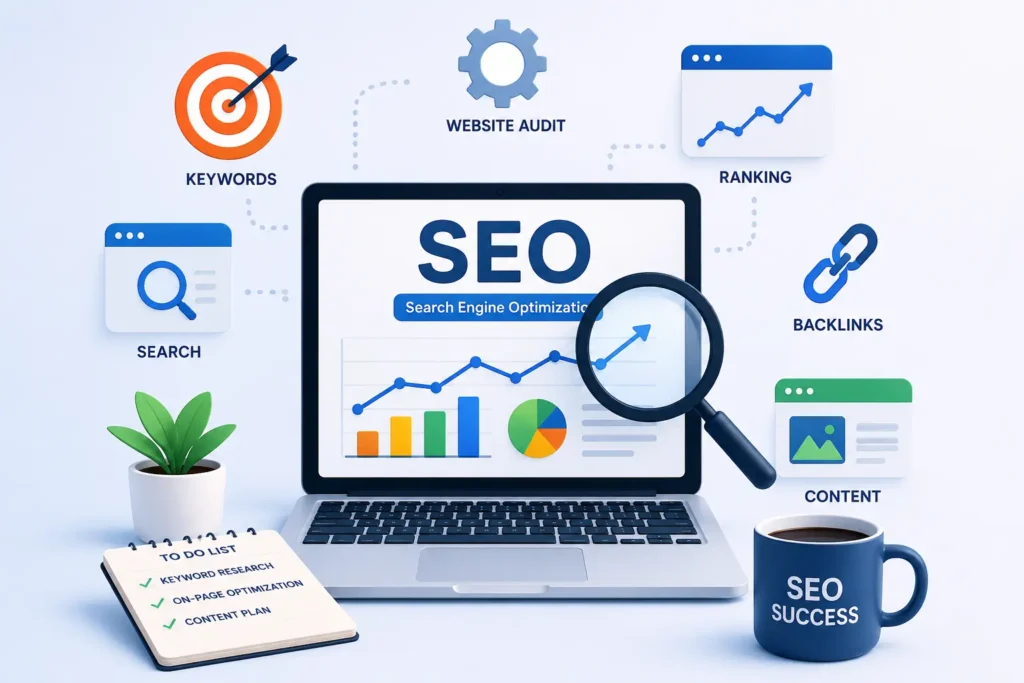
Keyword Research – Good tools show what your customers are searching for. They also reveal search volume, competition levels, and related keywords you may have overlooked.
Website Audits – Technical issues can hurt rankings. A site audit scans your pages and identifies problems such as broken links, slow loading speeds, or missing meta tags.
Rank Tracking – Rankings change constantly. Tracking tools show where your website appears in search results and whether your SEO efforts are moving in the right direction.
Competitor Analysis – Seeing what works for competitors can save time. Many affordable SEO tools reveal competitor keywords, backlinks, and top-performing pages.
Content Optimization – Some platforms suggest keyword placements, heading improvements, and readability adjustments that help content perform better in search results.
In my experience working with small businesses, companies that consistently monitor these five areas often see better results than businesses that focus only on publishing content.
How Do the Best SEO Tools for Small Business Work?
Most SEO platforms follow a simple process – collect data, identify opportunities, and provide recommendations.
Google Search Console – This free tool shows which keywords bring visitors to your website. It also helps you identify indexing problems and pages that need improvement.
Ubersuggest – Popular among beginners because it offers keyword ideas, content suggestions, and competitor insights without a large monthly cost.
SE Ranking – A strong option for small businesses that need rank tracking and website audits. Many plans start below the cost of a typical advertising campaign.
Mangools – Known for its user-friendly interface. It helps you find low-competition keywords that are easier to rank for, especially in local markets.
Ahrefs Webmaster Tools – While the full platform can be expensive, the free version provides valuable site audit data and backlink information.
Recent industry estimates suggest that businesses using keyword research tools regularly can increase organic traffic by 20-40% within a year when paired with consistent content creation.
Does Affordable SEO Software Really Work for Small Businesses?
Yes, but only when used correctly. Many business owners assume expensive software automatically delivers better results. In reality, affordable tools often provide everything a small business needs. Follow these steps to get the most value –
- Identify your goals first. Decide whether you want more local traffic, online sales, or lead generation before selecting software.
- Research target keywords. Focus on phrases your customers actually search for instead of broad industry terms.
- Run a complete site audit. Fix major technical problems before creating new content.
- Track performance monthly. Monitor rankings, traffic, and conversions to understand what is working.
- Improve existing content. Updating older pages often delivers faster results than constantly publishing new articles.
For example, if you run a small bakery in Manchester, you could use keyword research tools to discover demand for “custom birthday cakes Manchester.” Creating an optimized page around that term may attract local customers searching for exactly that service.
One observation I often see is that small businesses achieve stronger SEO growth when they consistently use one tool well instead of switching between multiple platforms every month.
Common SEO Tool Mistakes Small Business Owners Should Avoid
Many businesses buy SEO software and expect instant results. SEO takes time, and tools only provide data. Your actions create results.
- Ignoring recommendations: A site audit is only useful if you actually fix the issues it identifies. Review reports regularly and prioritize major errors first.
- Targeting highly competitive keywords: Chasing broad terms like “insurance” or “marketing” is difficult. Focus on long-tail keywords that match customer intent.
- Checking rankings every day: Search rankings naturally fluctuate. Monthly tracking provides a more accurate picture of progress.
- Using too many tools: Multiple subscriptions often create confusion and unnecessary expenses. Start with one platform that covers your main needs.
Businesses that avoid these mistakes generally see steadier growth and better returns from their SEO investments.
Expert Tips for Getting Better Results
- Focus on local SEO if you serve a specific city or region. Local searches often convert faster than national traffic.
- Review competitor content every quarter and identify gaps you can fill with better information, updated data, or stronger user experience.
- Set aside at least two hours each month for SEO maintenance. Small improvements made consistently often outperform occasional large efforts.
These habits help small business owners maximize the value of the best seo tools for small business without increasing marketing costs.
FAQs
Q: What are the best SEO tools for small business owners in 2026?
A: The best options typically include keyword research, site auditing, and rank tracking features. Choose a platform that matches your budget and goals.
Q: Can free SEO tools help small businesses grow?
A: Yes. Free tools can provide valuable insights, although paid versions usually offer deeper data and automation.
Q: How much should a small business spend on SEO tools?
A: Many small businesses start with $20 to $100 per month. The ideal budget depends on your industry and marketing objectives.
Q: Do SEO tools improve Google rankings automatically?
A: No. SEO tools provide recommendations and data. You must implement changes to improve rankings.
Q: Which SEO tool is best for local businesses?
A: Tools with local keyword tracking and Google Business Profile insights are often the most helpful for local companies.
Q: How long does SEO take to show results?
A: Most businesses begin seeing noticeable improvements within three to six months of consistent effort.
Q: Are SEO tools worth it for beginners?
A: Yes. Many modern platforms include beginner-friendly dashboards and step-by-step recommendations.
Q: What features should I prioritize in SEO software?
A: Focus on keyword research, technical audits, rank tracking, competitor analysis, and content optimization features.
Finding the best seo tools for small business does not have to be complicated or expensive. The right platform can help you uncover valuable keywords, improve your website, and attract more customers without stretching your budget.
Start with a tool that matches your current needs, learn its features, and apply its recommendations consistently. Small improvements made over time often create the biggest gains. Pick one action this week, put it into practice, and begin building stronger search visibility for your business in 2026.